
83 Smallwood Village Center Ste A, Waldorf, MD 20602
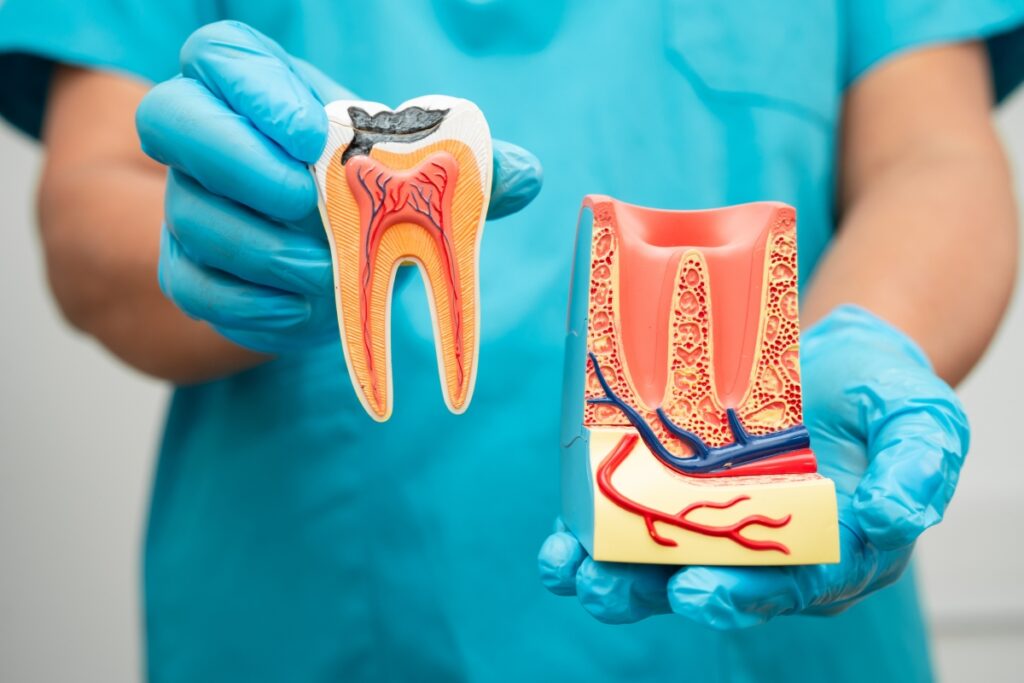
Root canals have a reputation for being one of the most feared dental procedures but the truth is, most root canals are highly successful and can save a tooth for decades. Still, no medical or dental procedure carries a 100% guarantee, and a small percentage of patients do experience complications.
If you’re researching root canal failure before or after treatment, you’re not alone. Understanding why failures happen, how common they are, and what warning signs to watch for can help you make informed decisions about your dental health.
At Dental Care of Waldorf in Waldorf, MD 20602, we believe patient education is just as important as clinical skill. This guide breaks down everything you need to know in simple, straightforward terms.
How Common Is Root Canal Failure?
The good news first: root canal treatments are successful roughly 85–97% of the time, depending on the study and the complexity of the case. That means the vast majority of patients enjoy long-term relief and a fully functional tooth.
However, root canal failure does occur in a small subset of cases, and it can happen months or even years after the original procedure. Failure doesn’t always mean something went wrong during treatment sometimes new issues develop over time.
Why Success Rates Vary
Several factors influence how likely a root canal is to succeed long-term:
- The number and shape of root canals in the tooth
- Whether the infection was fully cleared before sealing
- The quality of the final restoration (crown or filling)
- How quickly the tooth was restored after treatment
- The patient’s oral hygiene and overall dental health
Common Causes of Root Canal Failure
Understanding why a root canal might fail can help you recognize problems early and seek treatment before they worsen.
1. Missed or Complex Canal Anatomy
Teeth, especially molars, can have hidden or curved canals that are difficult to detect. If a canal is missed during treatment, bacteria can remain trapped inside, leading to reinfection.
2. New Decay or a Cracked Tooth
A treated tooth is not immune to future problems. New cavities, cracks, or a compromised seal can allow bacteria to re-enter the tooth structure.
3. Delayed Restoration
If a permanent crown or filling isn’t placed soon after the root canal, the tooth becomes vulnerable to contamination and structural damage.
4. Reinfection
Even a well-performed procedure can fail if bacteria find their way back in through a cracked filling, gum disease, or a loose crown.
Signs Your Root Canal May Be Failing
If you’ve had a root canal in the past and notice any of the following, it’s worth scheduling an evaluation:
- Persistent or recurring pain in the treated tooth
- Swelling or tenderness in the gums nearby
- A pimple-like bump on the gum (indicating drainage)
- Sensitivity to hot or cold that doesn’t fade
- Discoloration of the tooth
These symptoms don’t automatically mean failure, but they shouldn’t be ignored. Early evaluation often means simpler, less invasive treatment.
What Happens If a Root Canal Fails?
The good news is that root canal failure doesn’t necessarily mean losing the tooth. Depending on the cause, your dentist may recommend:
- Retreatment: Reopening the tooth to clean out infection and reseal it
- Apicoectomy: A minor surgical procedure to treat infection at the root tip
- Extraction: Only considered when the tooth can no longer be saved
Most failed root canals can be addressed successfully with retreatment, especially when caught early.
Root Canal Treatment in Waldorf: What Sets Successful Cases Apart
Choosing an experienced provider for Root Canal Treatment Waldorf residents trust can significantly reduce the risk of complications. Modern tools like digital imaging and rotary instruments allow for more precise, thorough cleaning of the canal system than older methods.
At Dental Care of Waldorf, we prioritize:
- Detailed diagnostic imaging to map canal anatomy accurately
- Careful, thorough disinfection of the tooth
- Prompt, high-quality restorations to protect the tooth long-term
- Clear aftercare instructions so you know what to expect
How to Reduce Your Risk of Root Canal Failure
While not every failure is preventable, patients can take steps to protect their treated tooth:
- Get a permanent crown or filling promptly after treatment
- Maintain consistent brushing and flossing habits
- Avoid chewing hard foods directly on the treated tooth
- Attend regular dental checkups so issues are caught early
- Address any new pain or sensitivity right away
Conclusion: Don’t Wait to Get Answers
Root canal failure is uncommon, but being informed helps you catch problems early and protect your smile long-term. Whether you’re considering treatment for the first time or you’re concerned about a tooth treated years ago, the best step is a professional evaluation.
Schedule your appointment today with Dental Care of Waldorf in Waldorf, MD 20602. Our team is here to answer your questions, ease your concerns, and help you keep your natural teeth healthy for years to come.
Questions Patients Often Ask
How long do root canals typically last?
Most root canal-treated teeth last a lifetime with proper care, though some may eventually need retreatment.
Is pain after a root canal normal?
Mild discomfort for a few days is common, but sharp or worsening pain after the initial healing period should be checked by a dentist.
Can a root canal fail years later?
Yes. New decay, a cracked restoration, or gum disease can lead to reinfection even long after successful treatment.
Does root canal failure always mean I’ll lose my tooth?
Not necessarily. Many failed root canals can be treated successfully with retreatment or a minor surgical procedure.
How do I know if I need retreatment?
Persistent pain, swelling, or sensitivity in a previously treated tooth are signs it’s time for an evaluation.
Is it worth getting a second opinion if I’m told my root canal failed?
Absolutely. A second opinion can help confirm the diagnosis and outline all available treatment options before you decide.